
01
The game is usually the slow part, not the overlay
Genshin types dialogue out letter by letter. A line takes about one to two seconds to finish, and for most of that time what is on screen is half a sentence. You cannot translate half a sentence reliably. "Yes, y" is the start of a hundred different lines, and picking one of them is just guessing.
So Kaption waits for the text to stop changing before it commits. That wait is most of the delay you notice, and it comes from the game, not from us. Star Rail and Zenless put the whole line up in one frame, which is why subtitles feel instant there and a bit more patient in Genshin.
- Genshin Impact: dialogue types out over roughly 1–2 seconds.
- Honkai: Star Rail and Zenless Zone Zero: whole lines appear at once.
- The overlay cannot be faster than the text it is reading.
02
What we actually measured
We record real gameplay and replay it through the same code that ships. Eight clips across the three games, about 4,700 frames. Replaying a recording instead of playing live means we can measure the exact same footage again after every change, so the numbers actually compare.
The number we care about is how long after a line settles before its translation is on screen. Across six Genshin clips the typical line landed at about 170 ms, and 9 out of 10 landed inside 374 ms. Star Rail came out at effectively zero: the subtitle was there on the first frame the line existed.
These come from one computer, so treat them as a reference point rather than a promise about yours. A slower GPU reads each frame slower and everything stretches. We simulated machines up to five times slower to check, and it gets worse gradually instead of falling off a cliff.
03
Why it is not simply reading every frame
Reading the screen sixty times a second would be a waste and would not help anyway. Dialogue does not change sixty times a second, and every read costs real GPU work.
Kaption watches the dialogue area and reads only when something has actually changed, then waits a moment for it to settle before trusting what it sees. Between lines, when nothing is moving, it does close to nothing. That is what buys it the headroom to be quick when it counts.
- Reads are triggered by change, not by a fixed frame rate.
- A settled line is read once, not repeatedly.
- Idle dialogue costs almost nothing.
04
Recent work made this substantially faster
Two rounds of optimisation in August 2026 moved these numbers a lot. The first made reading itself about 3.5x faster by fixing how the text-recognition model gets fed on the GPU. Same text out, fraction of the time.
The second used the harness above to retune how long it waits before reading. On Genshin that worked out as roughly 3x better worst case and about a quarter more lines translated, because lines that used to get missed entirely now get read in time.
05
What would make it slower on your machine
Roughly in order of how much they matter. Exclusive fullscreen stops the overlay drawing properly, so run the game borderless or windowed. A capture region drawn much bigger than the dialogue box means more pixels to chew through on every read. And an older GPU makes each read take longer, though Kaption handles that by reading less often rather than falling behind.
Questions
Why is Genshin slower than Star Rail?
Because Genshin types its dialogue out letter by letter over one to two seconds, while Star Rail puts whole lines up at once. Kaption waits for the text to finish before translating, so that wait comes from the game rather than from us.
What does "374 ms" actually mean here?
It is the 90th percentile: 9 out of 10 Genshin lines had their translation on screen within that long after the line settled. The typical line was quicker, around 170 ms. Measured on one test machine across six recorded clips.
Will it be this fast on my PC?
Probably in the same ballpark on anything reasonably modern, slower on an older GPU. Reading the screen is the part that depends on your hardware. We simulated machines up to five times slower and it degrades gradually, reading less often rather than falling behind.
Does reading the screen constantly hurt my FPS?
Kaption does not read constantly. It reads only when the dialogue actually changes, which in normal play is a couple of times per line, not every frame. We have not put FPS numbers on this page because we have not measured them properly, and we would rather say that than make one up.
Can it show the subtitle before the line finishes?
Sometimes, when enough of the sentence is up to identify it for certain. What it will not do is guess. A short fragment matches loads of different lines, and flashing the wrong translation and then correcting it is worse than waiting half a second.
More guides
 Safety
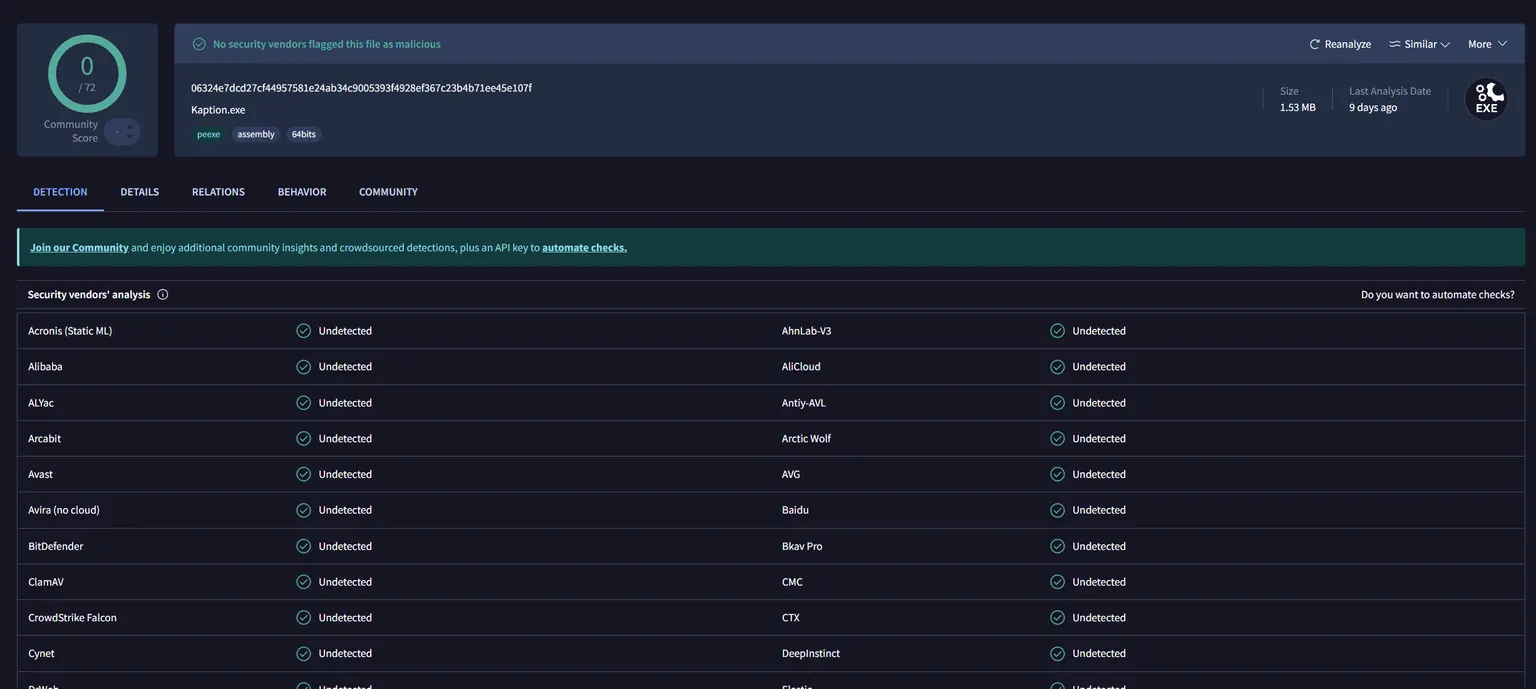
 Is Kaption safe to use with Genshin Impact and Honkai: Star Rail?
Kaption reads screen pixels and shows a subtitle overlay. It does not modify game files, inject code, hook processes, or read game memory. Every release is scanned on VirusTotal.
 Source and security
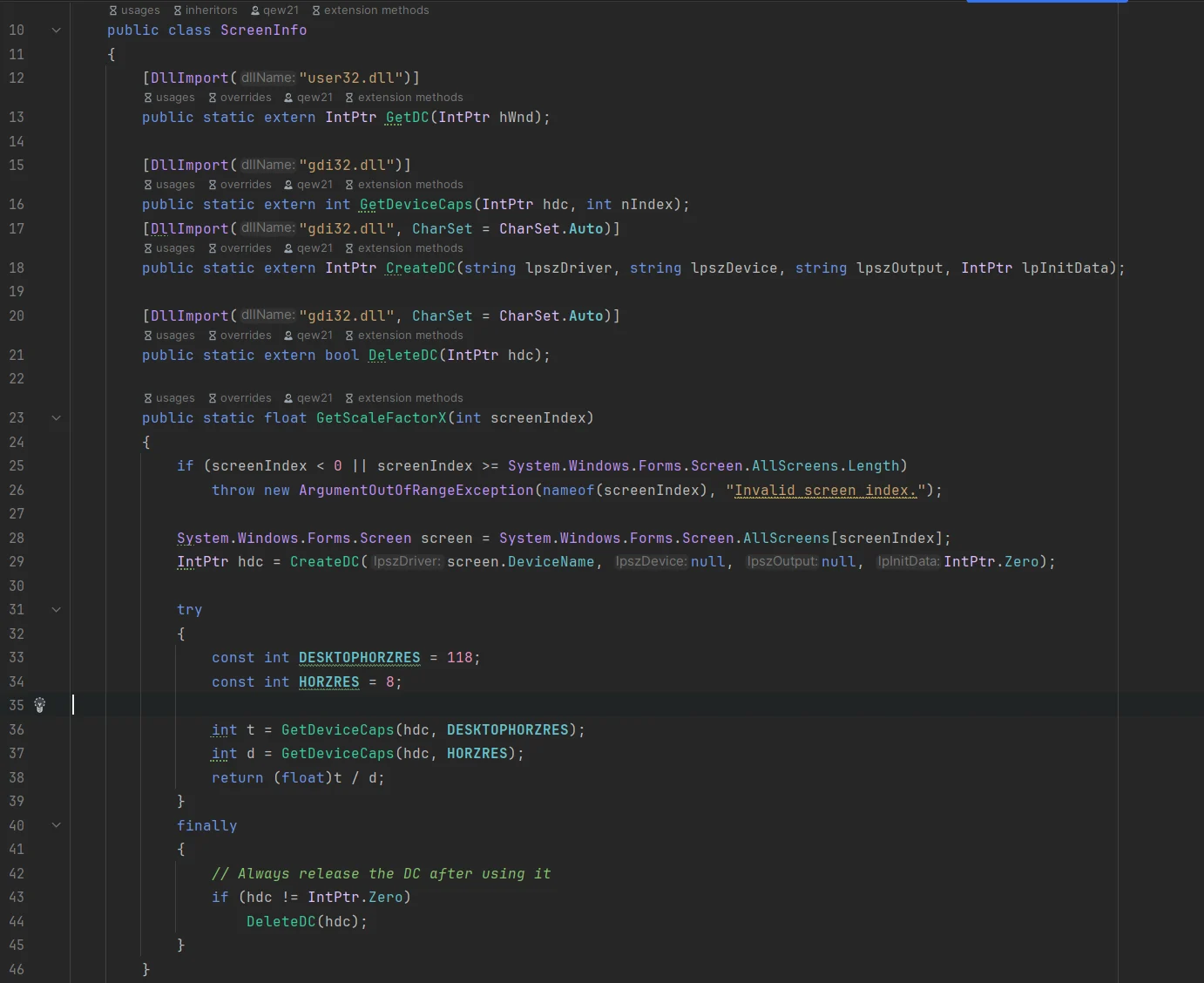
 Kaption source code: what is public and how to audit it
Kaption is moving the desktop client to a source-available AGPL-3.0 repository so users can inspect screen capture, OCR, updates, crash reporting, and licensing behavior.
 Setup
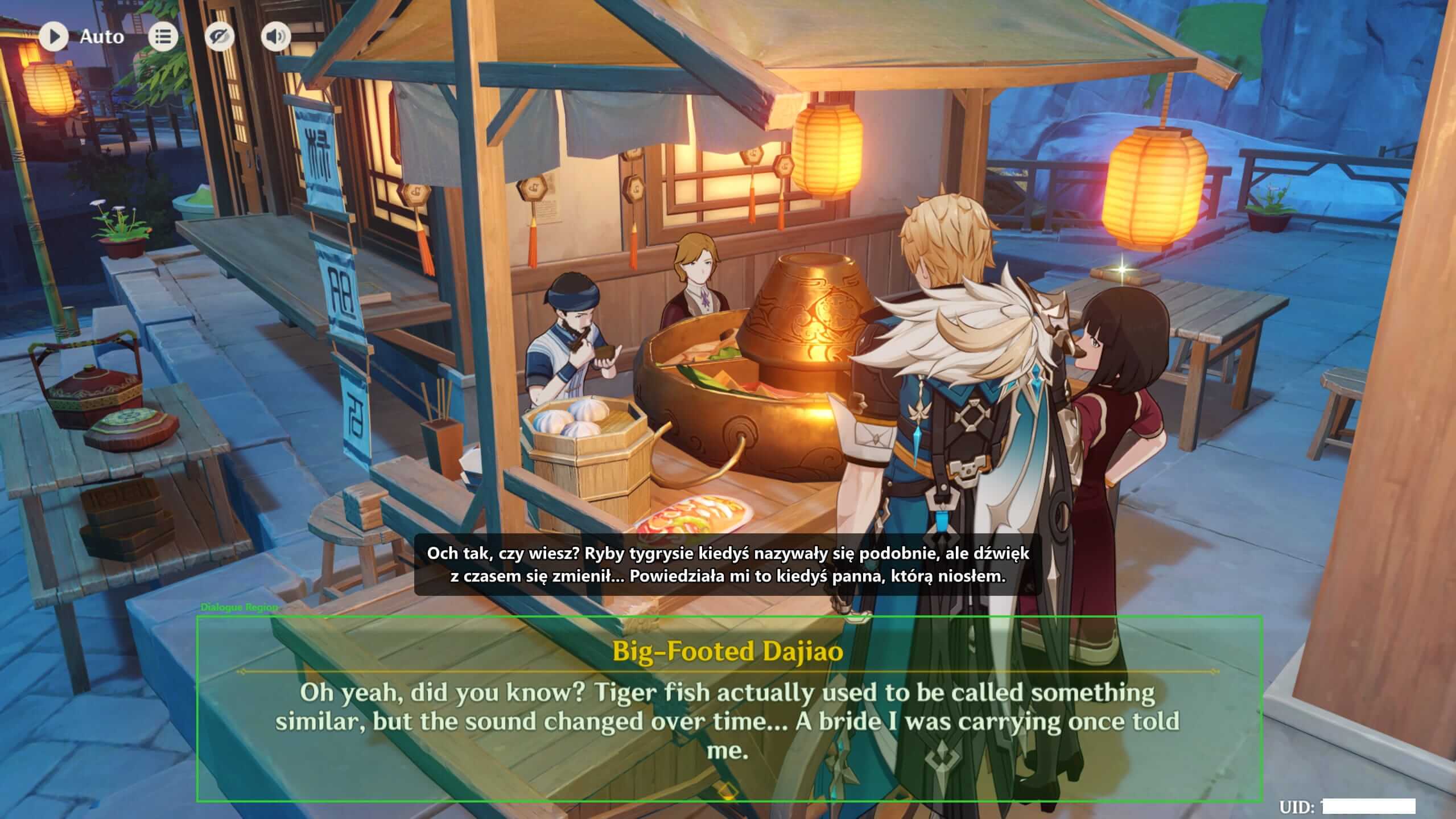
Setup How to set up Kaption from zero
Install Kaption, open your Hoyoverse game, choose the dialogue region, and check that the subtitle overlay stays out of the OCR area.